
Mining companies
Why structure matters
Mining companies sit at the intersection of metals, capital, and execution.
Silver, gold, and copper each tell part of the story. But it is within mining companies that price, cost, management, and capital discipline converge. Understanding metals without understanding mining businesses often leads to incomplete conclusions.
This page explains why structure matters when looking at mining companies — and why treating them as a single category rarely works.
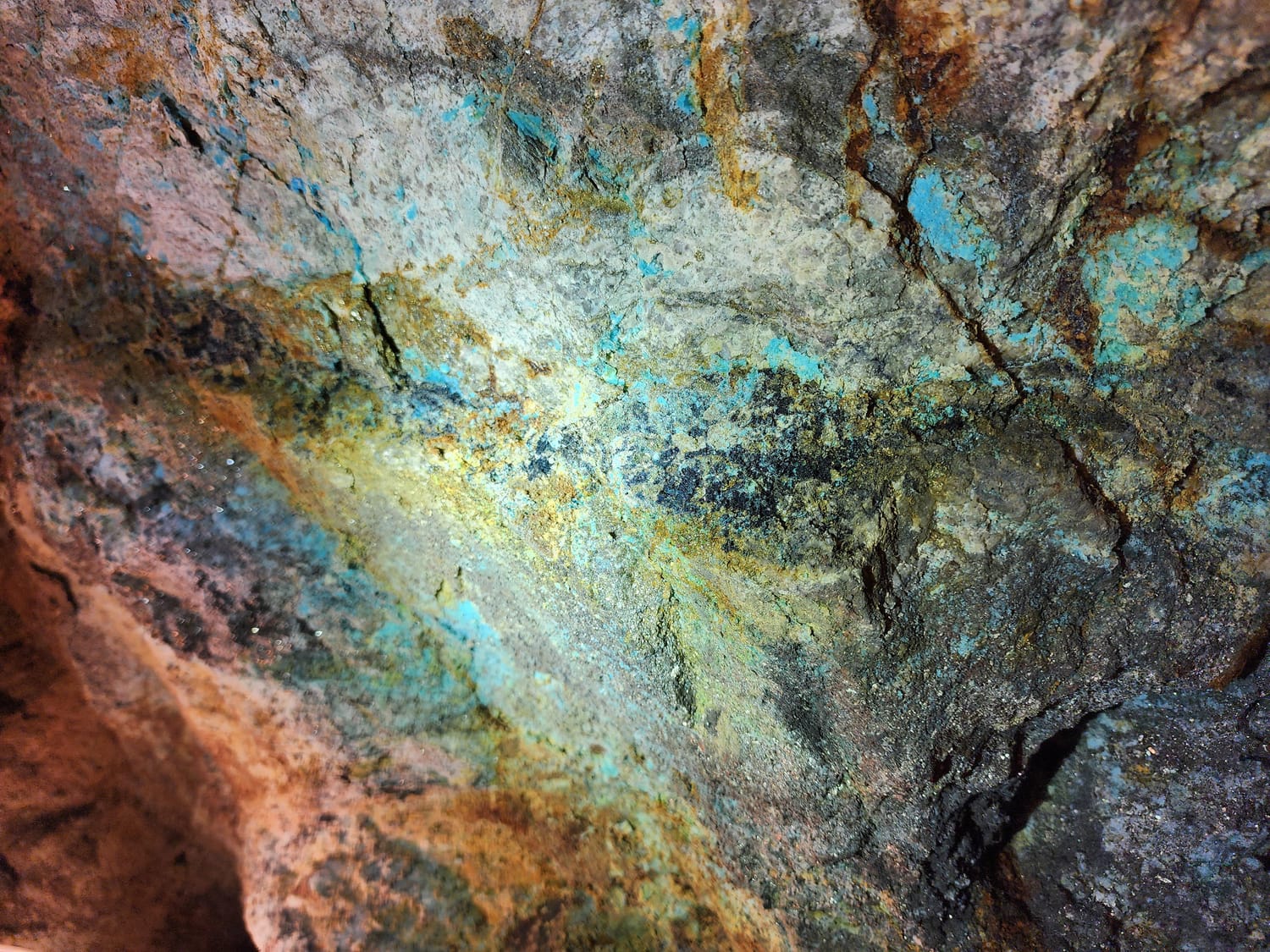
Gold
Gold is primarily monetary. It does not rely on industrial use and has served as a reference point for value and confidence for centuries. Gold provides context for currencies, purchasing power, and systemic stress.
For more information about gold:
Silver
Silver functions both as a monetary metal and as an industrial input. It is used in electronics, energy systems, and infrastructure, while also acting as a long-term store of value. This dual role makes silver sensitive to both monetary conditions and real-world demand.
For more information about silver:
Copper
Copper reflects the industrial side of the economy. It is closely tied to growth, electrification, and infrastructure. Copper demand offers insight into long-term investment cycles and real economic activity.
For more information about copper:
Why mining companies are different
Mining companies are not metals.
They are operating businesses with cost structures, capital requirements, regulatory exposure, and management decisions. Two companies producing the same metal can behave very differently under identical market conditions.
This is why mining stocks often surprise investors who focus only on metal prices.
Why silver mines matter most right now
A large portion of global silver supply comes as a by-product of gold and copper mining. As a result, primary silver production is limited and often capital-sensitive. At the same time, silver demand is influenced by both monetary pressure and industrial use. This places silver mines at the intersection of multiple forces and makes differentiation essential.
Understanding which silver mines can endure and adapt requires structure, not generalization
The importance of stage
Mining companies operate across different stages of the mining lifecycle, ranging from established producers to growth-focused operators, developers, and early-stage optionality.
Because each stage responds differently to metal prices, liquidity conditions, and sentiment, structure is essential. Without it, comparisons become unreliable and risk is easily misunderstood.
How we organize complexity
To navigate this landscape, we organize mining companies by stage and behavior rather than treating them as a single category.
This framework is designed to provide clarity, not conclusions — helping to understand where risk resides and how different companies tend to behave across the cycle.
Quick links
Home
Info
Packages
Contact

Have a question?
Email opportunity@monetarymines.com


